250 Years of Healing — Now Interpreted Through Modern Science
Exploring Homoeopathy through scientific perspective, molecular imprint therapeutics, and clinical knowledge.
- Research with Integrity
- Innovation for the Future
 Research with Integrity
 Innovation for the Future
Research & Scientific Foundations
A growing collection of scientific writing, educational material, and published work by Dr. A. Shanthakumar bridging classical Homoeopathy with modern Molecular Imprint Therapeutics.
Dr. Samuel Hahnemann
“Similia similibus curentur” — Let like be cured by like.
The research direction of IHHRI is rooted in the principle first articulated by Dr. Samuel Hahnemann in 1796. In this view, the totality of a person’s symptoms is treated as a meaningful guide to the deeper disturbance that must be understood and addressed at its root.
Molecular Imprint Therapeutics
Dr. A. Shanthakumar’s research extends classical foundations into a modern scientific perspective, exploring how Homoeopathic remedy selection and Molecular Imprint Therapeutics (MIT) may be studied through bio-informational mechanisms and molecular-level interactions.
Materia Medica in Scientific Perspective
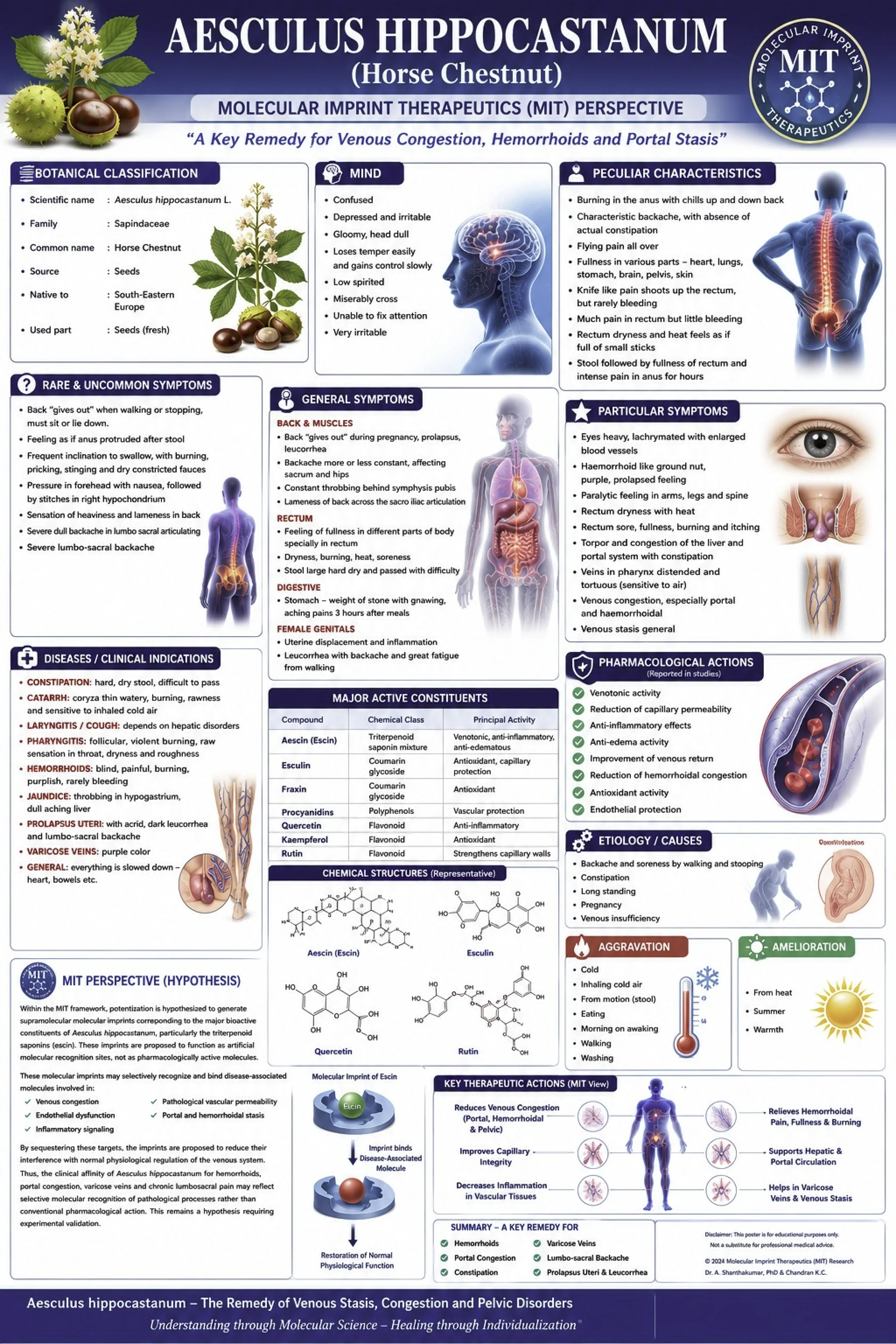
Dr. A. Shanthakumar has shared an exclusive preview page from his upcoming book on Materia Medica in Scientific Perspective. The monograph presents Aesculus Hippocastanum (Horse Chestnut) evaluated from the perspective of Molecular Imprint Therapeutics (MIT).
- ✓Monograph Topic: Aesculus Hippocastanum (Horse Chestnut) — Venous Stasis & Portal Congestion.
- ✓Scientific Framework: Molecular Imprint Therapeutics (MIT) hypothesis & bio-active constituents.
- ✓Comprehensive Synthesis: Botanical classification, pharmacological actions, and clinical indications.
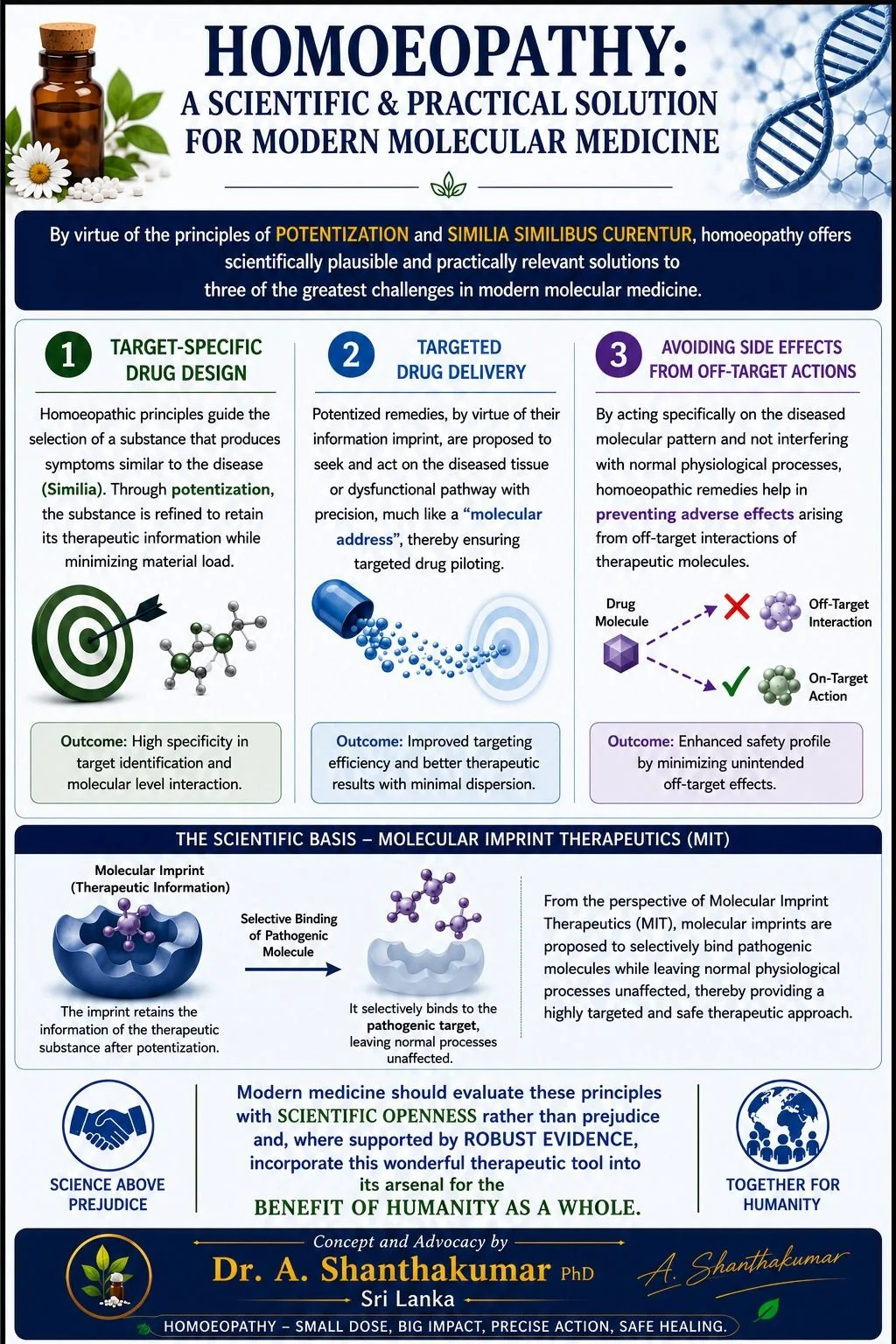
Homeopathy: A Scientific & Practical Solution for Modern Molecular Medicine
Concept and advocacy by Dr. A. Shanthakumar, PhD
This infographic presents Homoeopathy through the lens of Molecular Imprint Therapeutics, connecting potentization and similimum-based selection with target-specific drug design, targeted delivery, and reduced off-target effects.
- ✓Target Specificity: Remedy selection is framed around matching the diseased molecular pattern while minimizing material load.
- ✓Targeted Action: Potentized remedies are described as carrying therapeutic information toward dysfunctional pathways with precision.
- ✓Safety Perspective: Molecular imprint binding is presented as a way to avoid unintended off-target physiological effects.
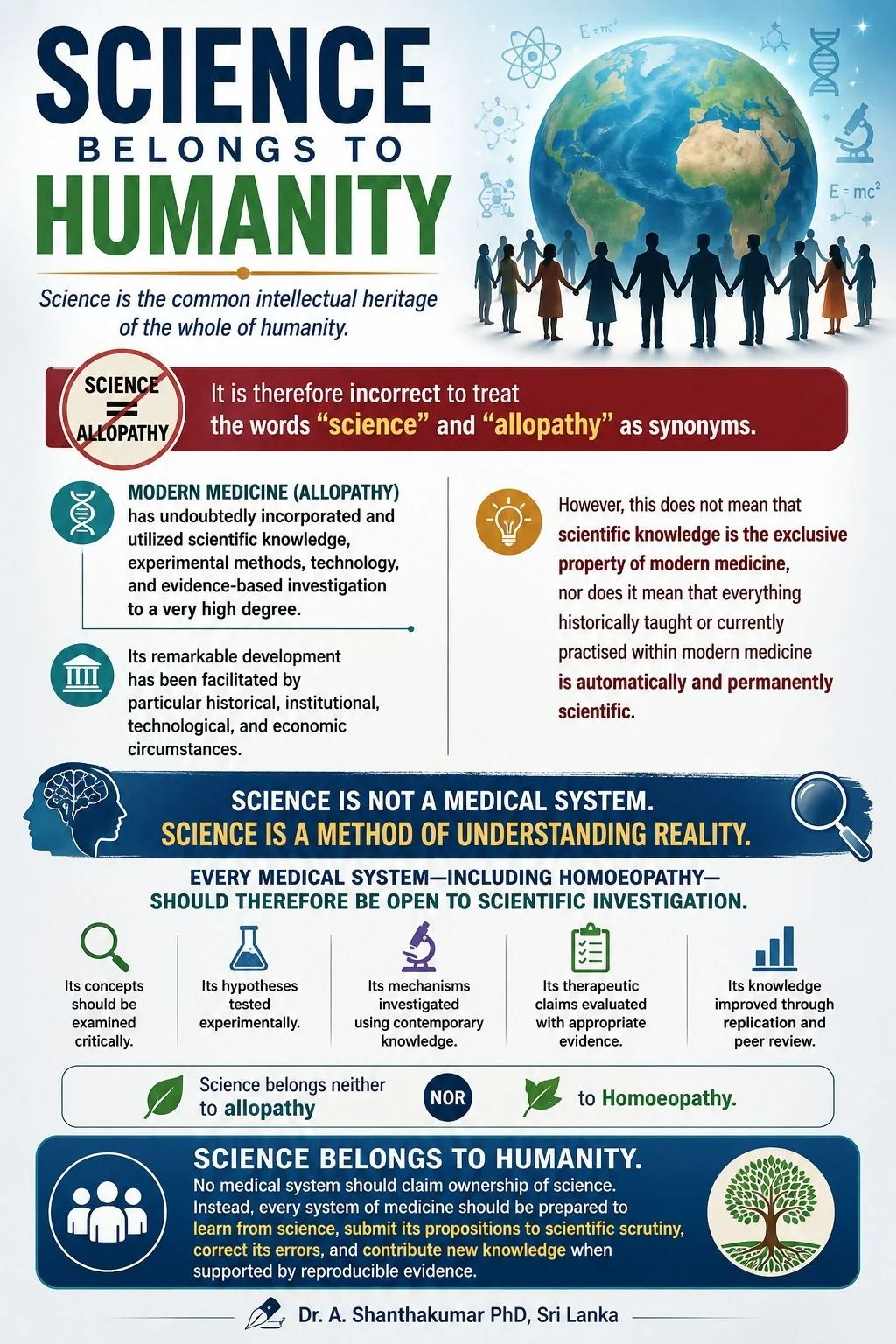
Science Belongs to Humanity
Scientific perspective by Dr. A. Shanthakumar, PhD
Science is a shared method for understanding reality rather than the property of any one medical system. This infographic calls for every system of medicine, including Homoeopathy, to remain open to critical examination and evidence-based investigation.
- ✓Shared Scientific Method: Science is the common intellectual heritage of humanity, not a synonym for allopathy or any single medical system.
- ✓Open Investigation: Concepts, hypotheses, mechanisms, and therapeutic claims should be examined with appropriate contemporary methods.
- ✓Continuous Improvement: Medical knowledge advances through scientific scrutiny, reproducible evidence, replication, and peer review.
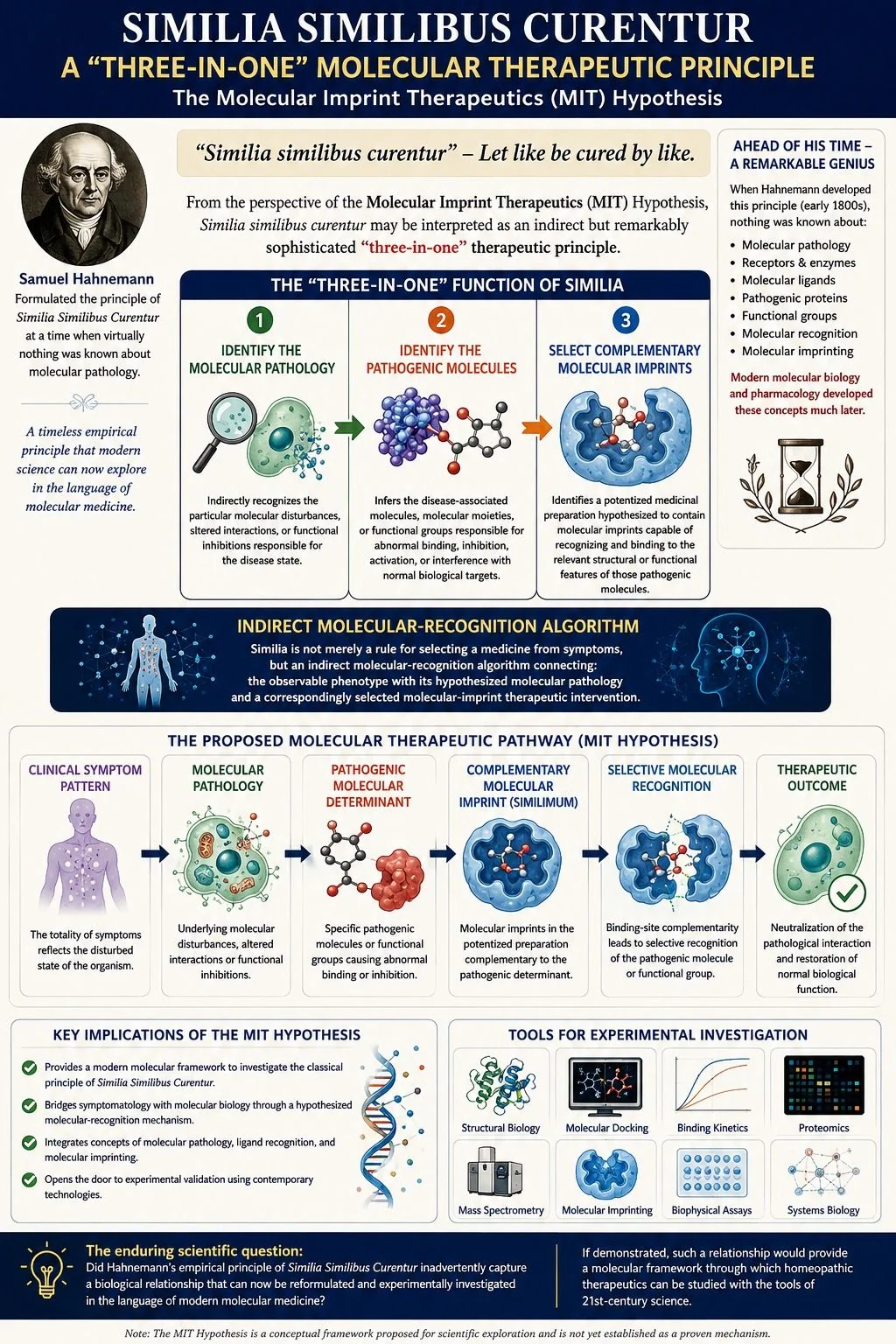
Similia Similibus Curentur: A “Three-in-One” Molecular Therapeutic Principle
The Molecular Imprint Therapeutics (MIT) Hypothesis
This infographic interprets Hahnemann’s principle of “let like be cured by like” as an indirect molecular-recognition framework linking observable symptom patterns to molecular pathology and a complementary molecular-imprint intervention.
- ✓Identify Molecular Pathology: The totality of symptoms is used to infer the underlying disturbances and altered biological interactions.
- ✓Identify Pathogenic Molecules: Disease-associated molecules or functional groups are proposed as determinants of abnormal biological activity.
- ✓Select Complementary Imprints: Molecular imprints are hypothesized to recognize and bind selectively to the relevant pathogenic targets.
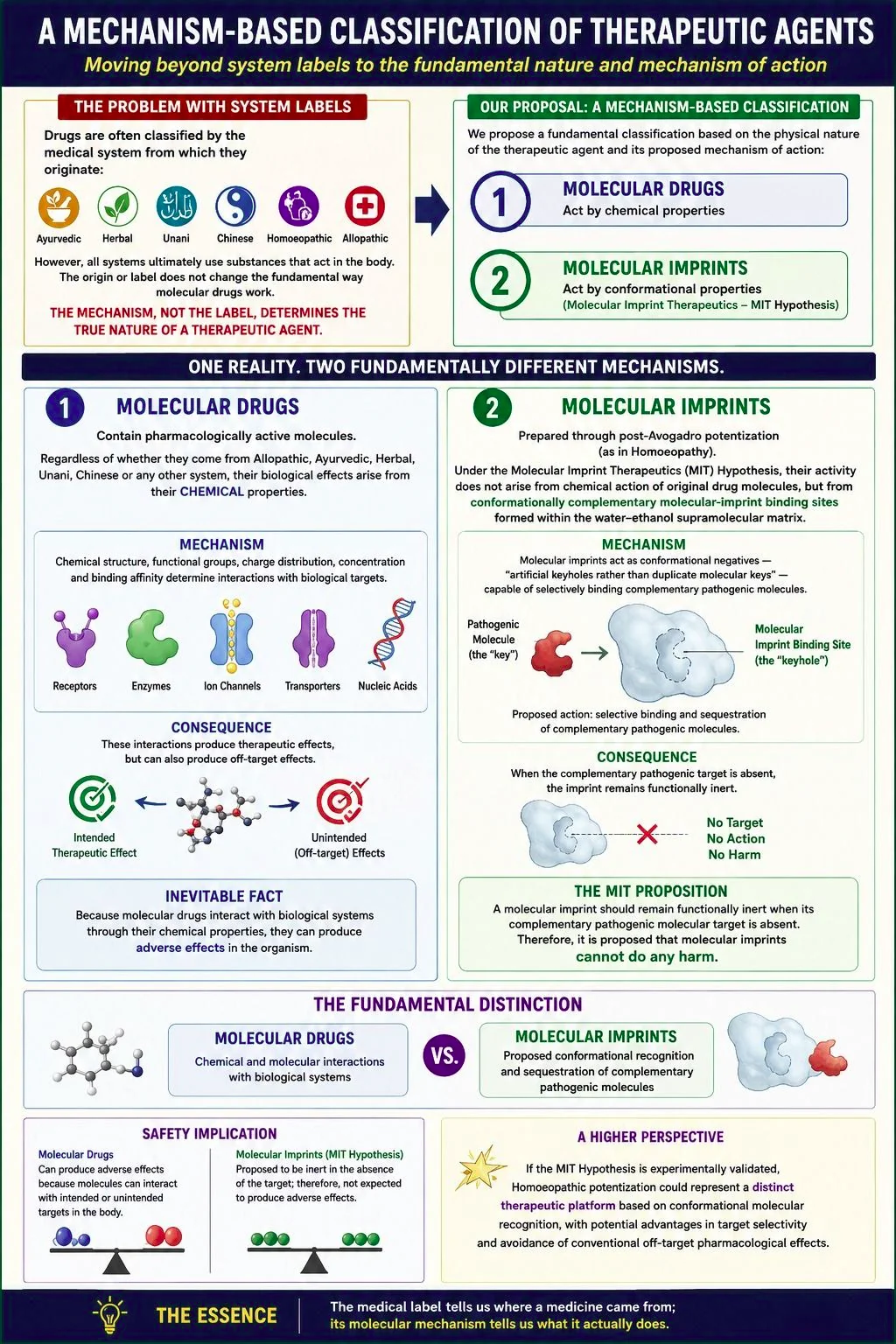
A Mechanism-Based Classification of Therapeutic Agents
Moving beyond system labels to the nature and mechanism of action
This infographic proposes classifying therapeutic agents by their physical nature and mechanism rather than by the medical tradition from which they originate. It contrasts conventional molecular drugs with the proposed conformational recognition model of Molecular Imprint Therapeutics.
- ✓Mechanism Over Label: Therapeutic agents are grouped by how they are proposed to act, not solely by whether they come from Homoeopathic, allopathic, herbal, or other traditions.
- ✓Two Proposed Categories: Molecular drugs act through chemical properties, while molecular imprints are hypothesized to act through conformational complementarity.
- ✓Testable Safety Proposition: The MIT model proposes target-selective activity and functional inertness when a complementary target is absent—a hypothesis requiring experimental validation.
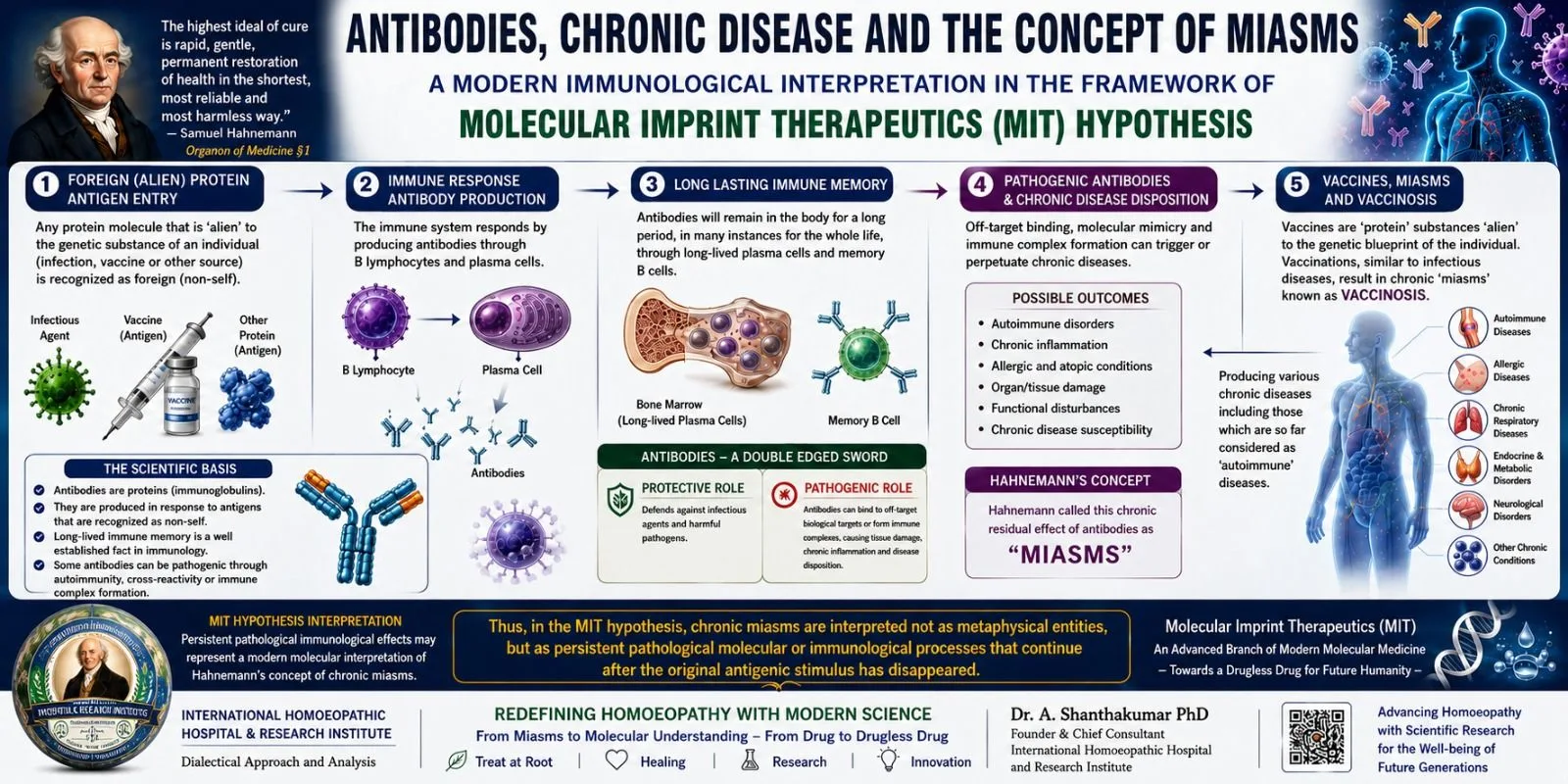
Antibodies, Chronic Disease & the Concept of Miasms
A modern immunological interpretation in the Molecular Imprint Therapeutics (MIT) hypothesis
This infographic explores chronic disease through the lens of immune memory, antibody production, and persistent pathological processes. It presents the concept of miasms as a proposed molecular-immunological interpretation within the MIT hypothesis.
- ✓Immune Memory: Antibodies can remain in the body over time through long-lived plasma cells and memory B cells.
- ✓Chronic Disease Perspective: The diagram examines how pathogenic immune responses and off-target binding may be considered in chronic disease processes.
- ✓MIT Hypothesis: Persistent pathological molecular processes are proposed as a modern interpretation for the classical concept of chronic miasms.
Academic Feedback & Scientific Dialogue
Professional reflections shared in response to Dr. A. Shanthakumar’s presentations connecting Homoeopathic principles with modern molecular science and outlining the Molecular Imprint Therapeutics hypothesis.
The clear layout and illustrations make it easy for readers to understand the main concepts behind your proposal. I was particularly impressed by your commitment to fostering a dialogue between traditional therapeutic approaches and contemporary scientific thinking.
David Haas
Department of Urology
Academic Teaching Hospital of Charité–Universitätsmedizin Berlin
On Homoeopathy and Modern Molecular Medicine
I also appreciate the fact that you present the MIT concept as a hypothesis for scientific exploration, rather than as an already established mechanism. In my view, this distinction is important and creates an appropriate basis for asking whether the proposed relationships can ultimately be investigated experimentally.
David Haas
Department of Urology
Academic Teaching Hospital of Charité–Universitätsmedizin Berlin
On the Molecular Imprint Therapeutics Hypothesis
Excerpts from professional correspondence provided by Dr. A. Shanthakumar; affiliation is presented as stated in that correspondence. The comments reflect the correspondent’s personal perspective and should not be interpreted as experimental validation or institutional endorsement of the MIT hypothesis.
Published Articles & Research Papers
Peer-reviewed scientific writing, perspective papers, and published work by Dr. A. Shanthakumar reinterpreting Homoeopathy in the language of modern molecular science.
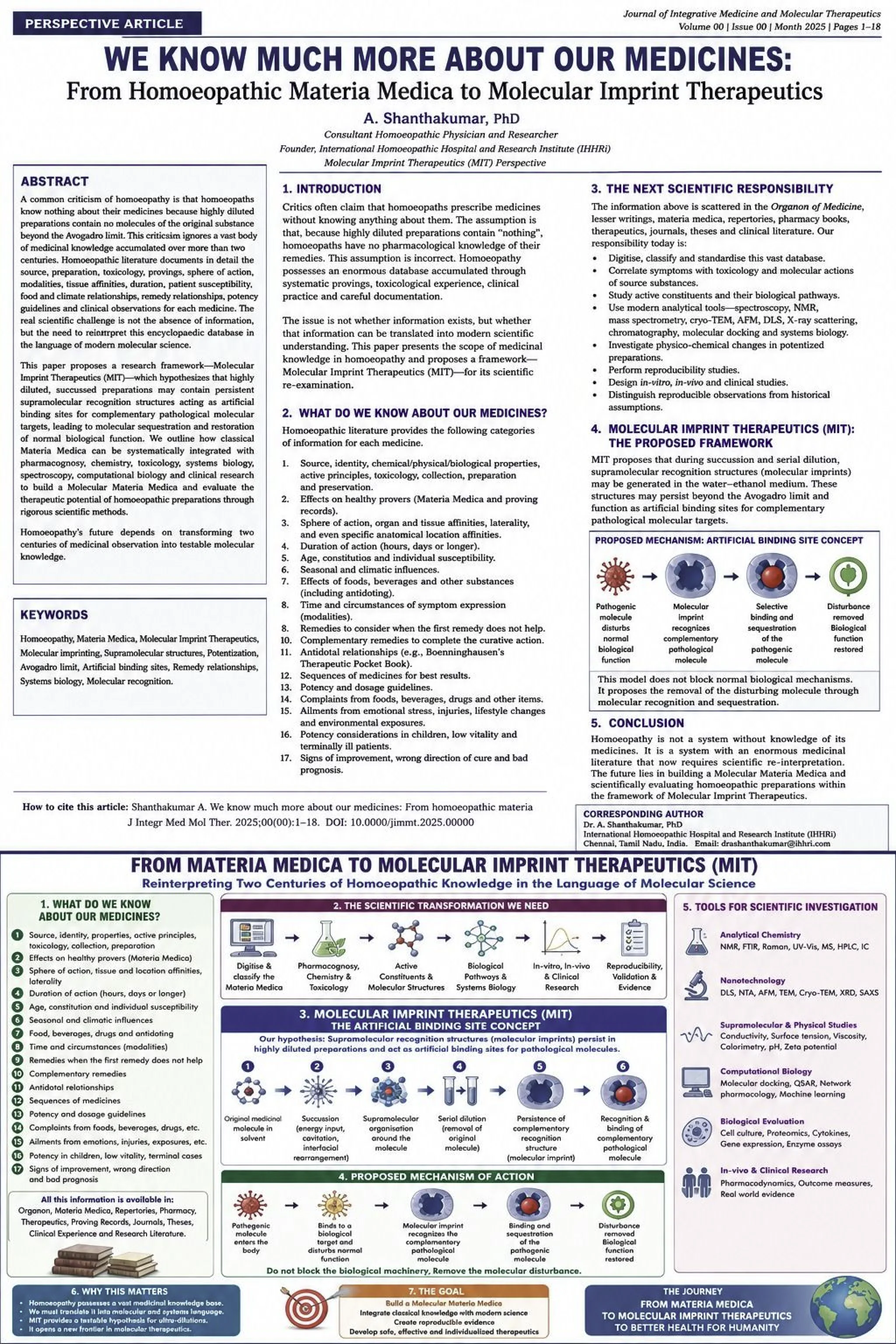
We Know Much More About Our Medicines: From Homoeopathic Materia Medica to Molecular Imprint Therapeutics
Journal of Integrative Medicine and Molecular Therapeutics (2025)
Author: Dr. A. Shanthakumar, PhD • DOI: 10.10000/jimmt.2025.00000
This publication addresses the core scientific question of Homoeopathic preparation mechanisms beyond the Avogadro limit, demonstrating how systematic empirical provings can be unified with modern pharmacognosy, computational biology, and supramolecular chemistry.
- ✓Molecular Imprint Model: Supramolecular recognition structures in water-ethanol medium acting as artificial binding sites.
- ✓Pathogen Neutralization: Selective sequestration of pathological molecules without blocking normal biological pathways.
- ✓Scientific Investigation Tools: NMR, cryo-TEM, AFM, molecular docking, and systems biology frameworks.